Envelope Packaging Die Cut Templates: A Designer's Secret Weapon
More Than Just a Fold: Understanding Die Cut Magic
You know that feeling when you hand someone a piece of mail, and they pause, turning it over in their hands, genuinely impressed before they even open it? That’s the power of thoughtful packaging. It’s not just about holding a product or a message; it’s about making a statement from the very first second. This is where a well-crafted set of envelope packaging die cut templates becomes less of a tool and more of a creative partner. We’re talking about pre-engineered blueprints for creating three-dimensional, custom-shaped envelopes that break free from the boring rectangular standard.
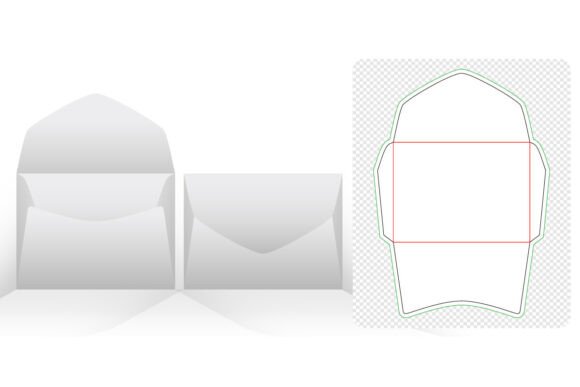
So, what exactly are we looking at here? At its core, this is a collection of vector-based design files. Think of them as the master patterns for a tailor. They provide the precise cut lines, fold lines, and glue tabs needed to construct a physical envelope. The "die cut" part is key—it means the templates are designed for precision cutting, whether you’re using a digital cutting machine at home or preparing files for a professional print shop. The visual character of these templates is one of clean potential. They aren't flashy or decorative themselves; instead, their strength lies in their structural ingenuity and the flawless precision of the lines. They offer a minimalist, conceptual foundation upon which you build your entire brand experience.
Where These Templates Truly Shine: From Boardroom to Boudoir
The practical applications for a versatile template pack like this are surprisingly broad, touching nearly every corner of the creative and commercial world. Let’s break down where this kind of design asset delivers the most value.
For the entrepreneur and small business owner, this is a game-changer for product packaging. Imagine shipping your handmade jewelry or boutique candles in a custom envelope that mirrors your brand’s logo shape. It transforms a simple delivery into an unboxing event. This level of packaging branding elevates your perceived value instantly, making you look established and thoughtful. It’s a tangible piece of your brand identity that lands right in your customer’s hands.
For the graphic designer or marketing agency, these templates are a powerhouse for client projects. They’re perfect for creating high-impact direct mail campaigns, premium press kits, or event invitations that demand attention. The ability to offer a client a unique, structural design solution—like a brochure that unfolds from a custom envelope—sets your work apart. The 3D mockup wrapping envelopes included in the file are invaluable here, allowing you to present photorealistic concepts to clients long before a single sheet of paper is cut.
Then there’s the personal and event-driven use. Wedding invitation suites are a prime example. A die cut envelope that subtly frames the invitation card or has a unique flap closure adds a layer of sophistication and personal touch that standard envelopes can’t match. It’s these details that guests notice and remember. Similarly, for crafters and hobbyists, these templates open up a world of possibilities for scrapbooking, gift card holders, and personalized greeting cards.
Practical Guidance: Making the Right Choice and Using It Well
Before you dive in, a thoughtful approach will ensure you get the most out of an asset like this. Here’s a practical checklist for evaluation and implementation.
Evaluate the Structure and Fit: Look closely at the template designs. Do they align with the personality of your project or brand? A sleek, geometric envelope with sharp angles communicates modernity and precision, perfect for a tech startup. A soft, rounded shape with gentle curves might better suit a wellness brand or a wedding stationery suite. The structure itself is a form of communication.
Test for Readability and Hierarchy: Once you place your text and graphics onto the template in your design software, how does it flow? Use the fold and cut lines as guides for your visual hierarchy. Ensure that key information—like a logo, event title, or call to action—is placed in a dominant, visible area. The unique shape of the envelope should guide the viewer's eye, not fight with it.
Consider Font Pairing and Brand Consistency: The envelope is the frame; your typography and graphics are the art inside. If you’re using a bold, modern sans serif font for your logo, the envelope's clean lines will complement it beautifully. For a more traditional or luxurious brand, pairing the template with an elegant serif font or a subtle script font creates cohesion. This is where your broader brand identity meets physical design.
Verify the Technical Specs and Licensing: This is non-negotiable for professional use. The provided files being 100% vector and fully editable in formats like Adobe Illustrator, EPS, and PDF is crucial. This means you can scale them to any size without losing quality and easily modify colors and shapes to match your brand palette. Always confirm the licensing allows for commercial use if you plan to sell the final products you create with them. The high-resolution 300 DPI graphics ensure your final printed product is crisp and professional.
In the end, these envelope packaging die cut templates are more than just a set of lines on a page. They are a bridge between a digital idea and a physical object that people can hold, feel, and be impressed by. They offer a direct path to creating memorable marketing materials, stunning event stationery, and product packaging that truly stands out in a crowded market. By understanding their structure, testing their application, and using them with intention, you transform a simple piece of mail into a powerful brand touchpoint.